
What Is RH for My Humidor, and How Do I Keep It at the Right Level?
You bought a humidor, placed your cigars inside, and noticed the little gauge on the lid. Maybe it reads 68%. Maybe it reads 84%. Maybe it hasn’t moved in six months.
That number is RH, or relative humidity, and it plays an important role in keeping your cigars in good smoking condition.
Too much moisture can make cigars difficult to draw and burn. Too little can leave wrappers brittle and flavors harsh. Understanding the right humidor humidity level is one of the simplest ways to protect your collection.
For most cigar collections, 65–69% relative humidity is a practical starting point. Keep your humidor in a cool, stable environment, ideally around 65–70°F when possible.
The traditional 70/70 rule is still a useful reference, but consistency matters more than maintaining exactly 70%.

What Does RH Mean in a Humidor?
RH stands for relative humidity. It measures the amount of water vapor in the air compared with the maximum amount the air could hold at its current temperature.
The word relative matters because temperature affects humidity readings. As temperature changes, RH can change even when the actual amount of moisture in the air stays the same.
Cigars are made from natural tobacco leaves. Over time, those leaves absorb or release moisture depending on the environment around them. A humidor creates a controlled space that helps tobacco maintain its flexibility and smoking characteristics.
Mike’s Tip: A humidor isn’t simply a box that adds moisture. It’s a controlled environment designed to keep your cigars stable.
What RH Should Your Humidor Be At?
The traditional guideline is the 70/70 rule: 70°F and 70% relative humidity.
However, many cigar smokers prefer slightly lower humidity levels. A range of 65–69% RH is common because it can help maintain a comfortable draw and reliable burn.
Some smokers prefer conditions closer to 62–65%, particularly for certain larger cigars. There isn’t one perfect number for every collection.
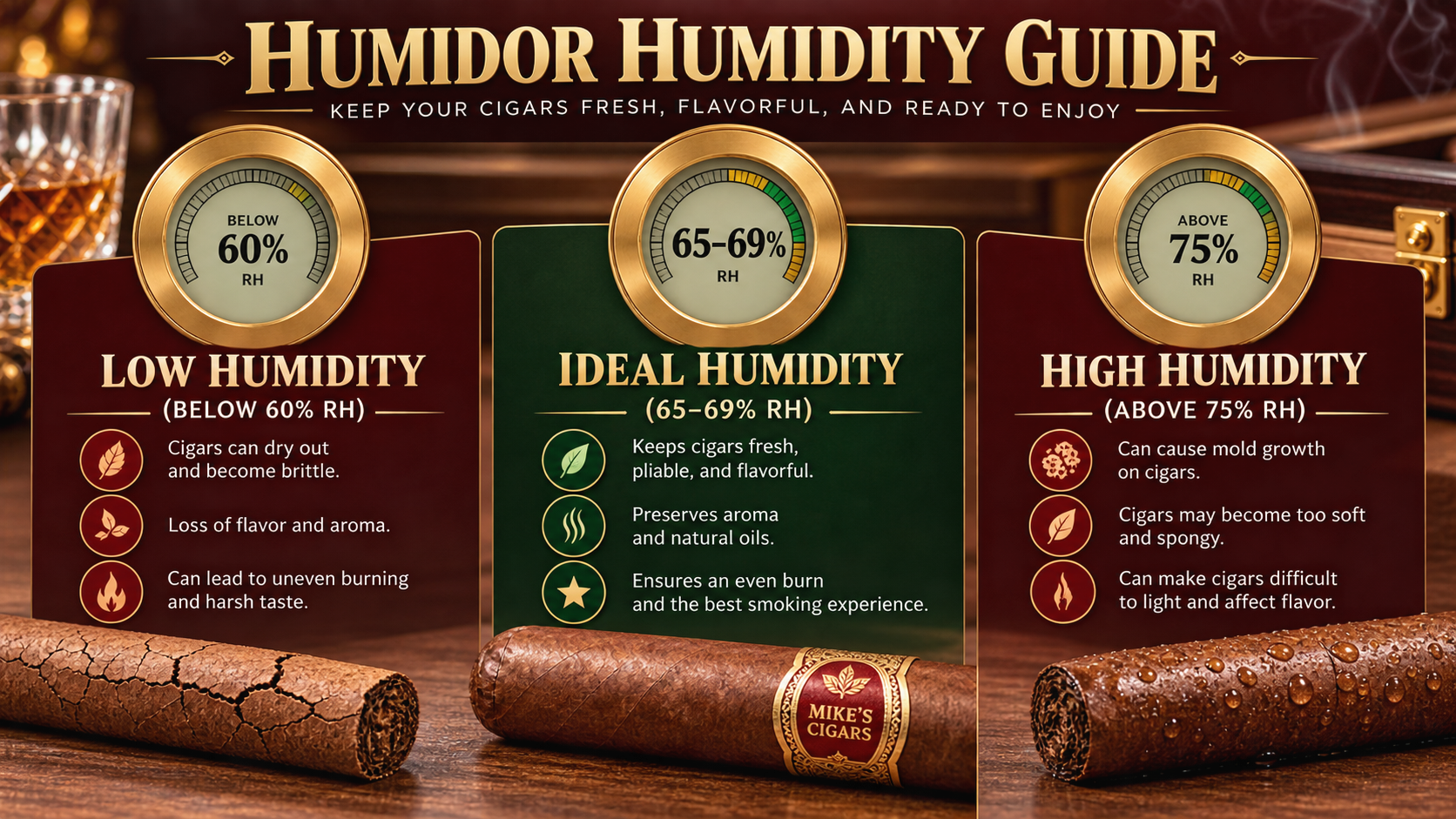
Wrappers can become brittle, and cigars may burn too quickly.
A practical humidity target for many cigar collections.
Excess moisture can affect burning and increase mold concerns.
Remember: A humidor that consistently holds 67% RH is generally preferable to one that fluctuates between 60% and 75%.
What Happens When Humidor Humidity Is Too High?
When cigars absorb excessive moisture, they may become soft or spongy. They can also become difficult to light and keep burning.
Common warning signs include:
- A tight or difficult draw.
- Uneven burning or frequent relighting.
- Muted or unpleasant flavors.
- Cigars that feel unusually soft or swollen.
- Increased mold risk when high humidity persists.
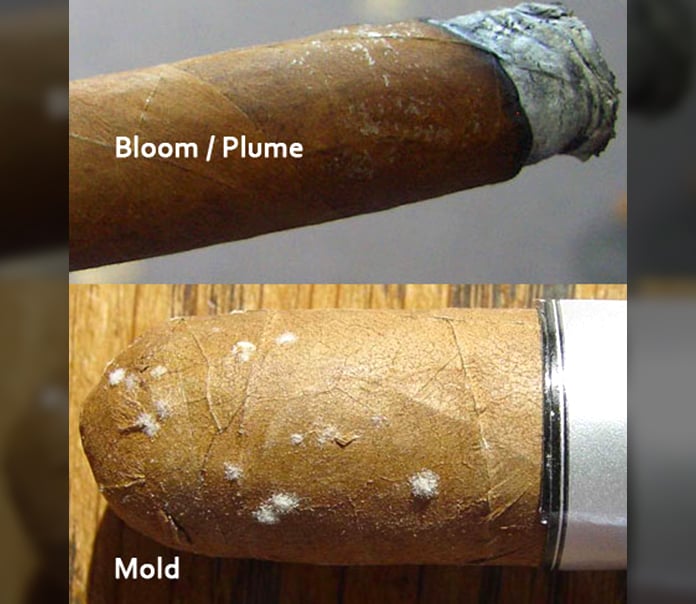
Prolonged high humidity, particularly when combined with warm temperatures, can create conditions favorable to mold. If you notice suspicious spots on your cigars, our guide to cigar plume versus mold explains what to look for.
Warm storage can also increase tobacco-beetle concerns, making temperature control especially important.
What Happens When Humidor Humidity Is Too Low?
Dry cigars can be just as frustrating as overly humidified ones. When tobacco loses too much moisture, wrappers become less flexible and may eventually crack.
- Cracked or brittle wrappers.
- Fast, hot burning.
- Harsh or thin flavors.
- A loose draw.
- Loss of some of the cigar’s original character.
Mildly dry cigars can sometimes be gradually reconditioned over days or weeks. However, severely dried tobacco may never fully regain its original smoking qualities. Avoid trying to restore a cigar quickly by applying water directly to the tobacco.
Some experienced smokers briefly dry-box a cigar before smoking, but that short-term technique is different from long-term storage at excessively low humidity.
Why Temperature Matters as Much as Humidity
Because relative humidity depends on temperature, the two should be monitored together. Try to keep your humidor in a cool, consistent location, ideally around 65–70°F when possible.
Avoid placing your humidor near:
- Direct sunlight or windowsills.
- Heating and air-conditioning vents.
- Garages or exterior walls exposed to extreme temperatures.
- Appliances that generate heat.
An interior closet shelf can be a better storage location than a beautiful but sunny display table.
Humidity can also fluctuate with the seasons. Our article about seasonal humidity changes in humidors explains why winter heating and changing weather can affect cigar storage.
How Do You Know If Your Hygrometer Is Accurate?
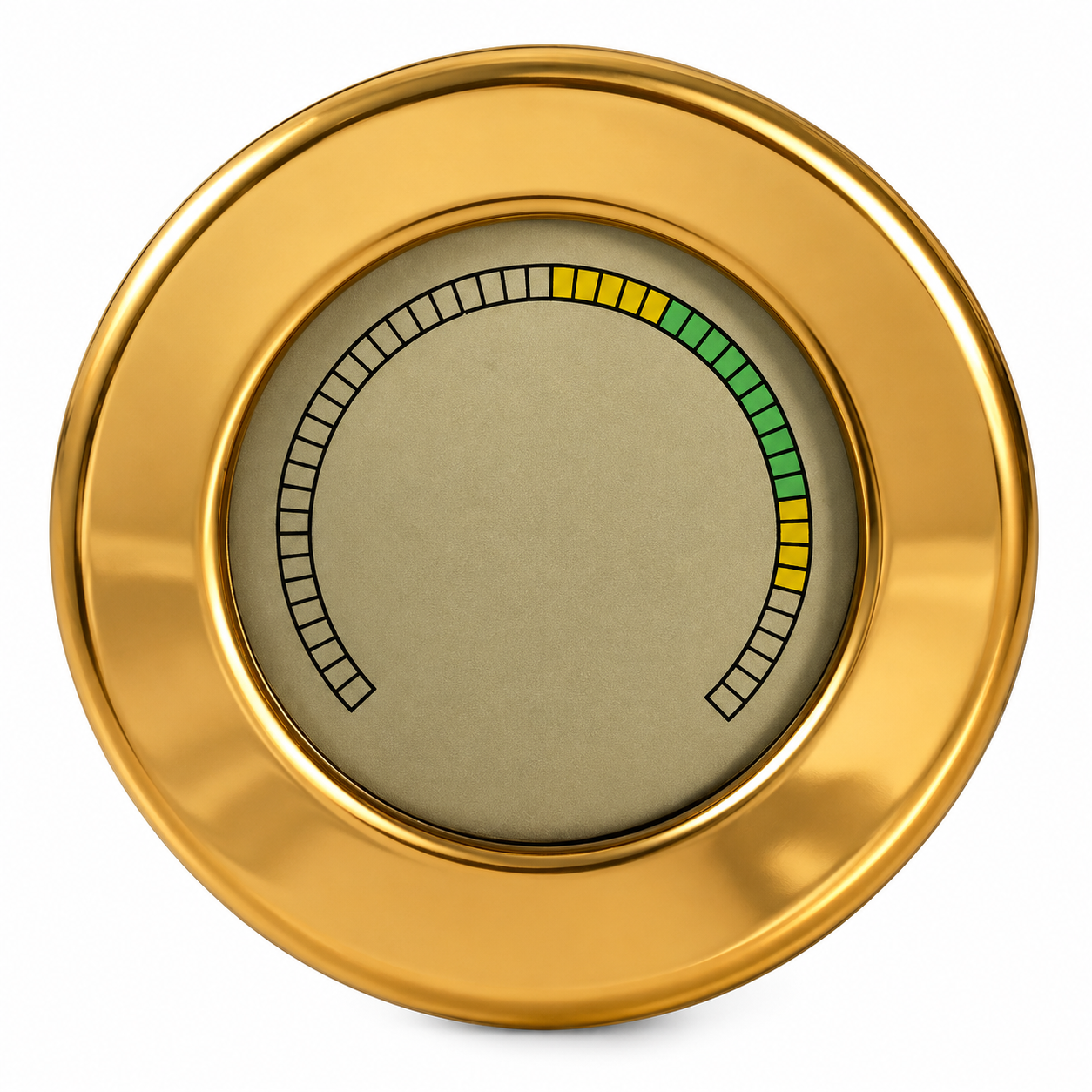
Your hygrometer measures the humidity inside your humidor, but not every gauge provides an accurate reading. Some inexpensive analog hygrometers can be significantly inaccurate.
Digital models are often easier to read, but they should still be checked periodically. A hygrometer is only useful when its reading is accurate.
Calibrate Your Hygrometer Before Trusting It
A properly performed salt test creates an environment close to 75% RH, allowing you to compare the expected humidity with the reading on your hygrometer. Commercial calibration kits are another convenient option.
Follow our guide on how to calibrate your hygrometer before making major humidity adjustments.
You should also avoid placing your hygrometer directly against your humidification device. The goal is to measure the general environment inside the humidor.
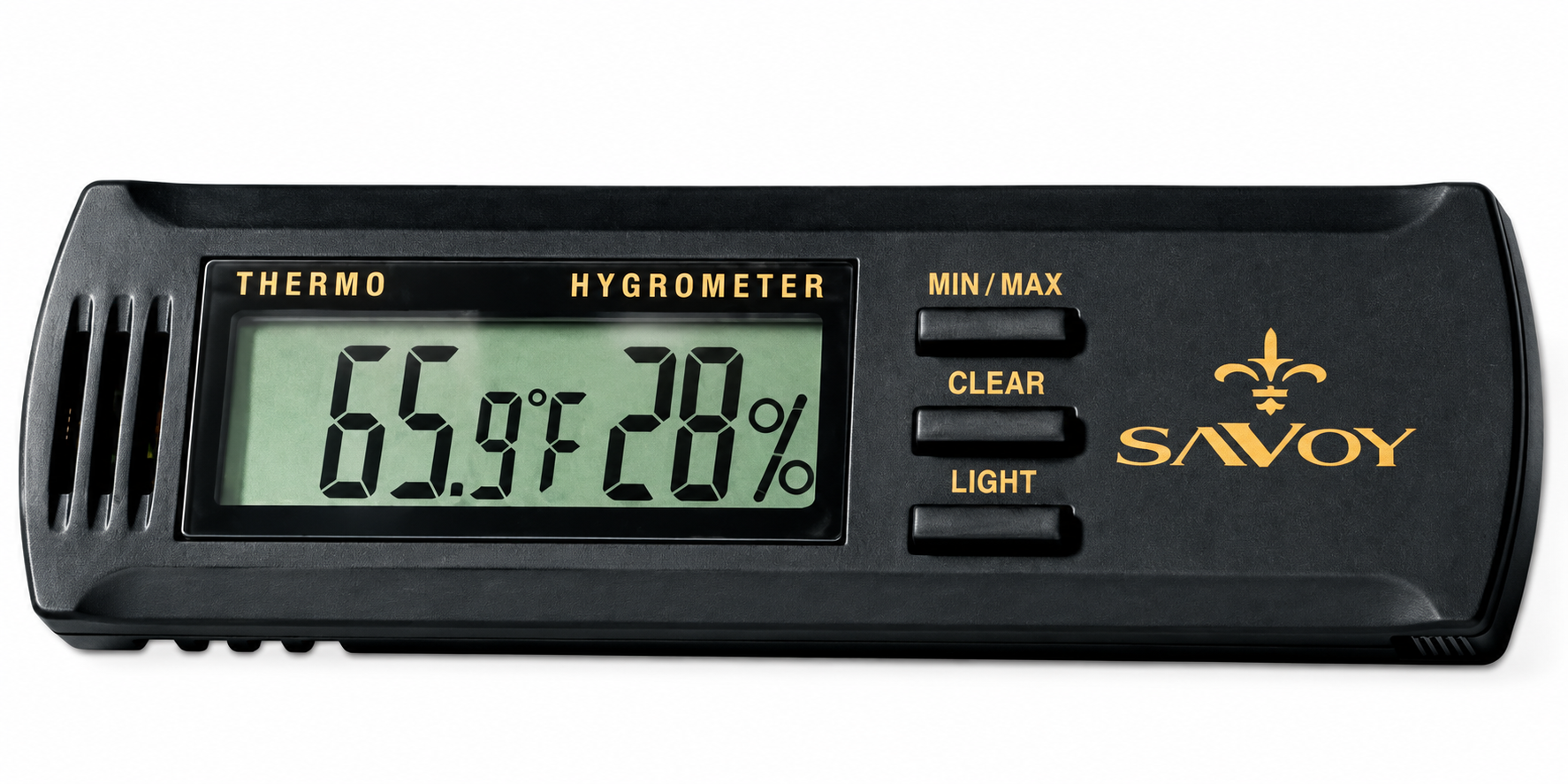
Keeping track of your humidor’s environment becomes easier when you can clearly read both temperature and relative humidity.
The Savoy digital thermo-hygrometer offers a convenient way to monitor your collection without relying on a difficult-to-read analog dial.
How to Keep Your Humidor at the Right RH
Once your hygrometer is accurate, maintaining the right humidity becomes much simpler. These six steps can help you create a stable environment for your cigars.
Season a New Humidor Before Using It
New Spanish cedar is naturally dry. If you place cigars inside before the wood has absorbed enough moisture, the cedar can pull moisture from the tobacco.
Use a purpose-made seasoning pack or follow the manufacturer’s recommended seasoning method. Allow the humidor to stabilize before adding cigars. Never soak the cedar or pour water directly onto the interior wood.
Choose the Right Humidification Method
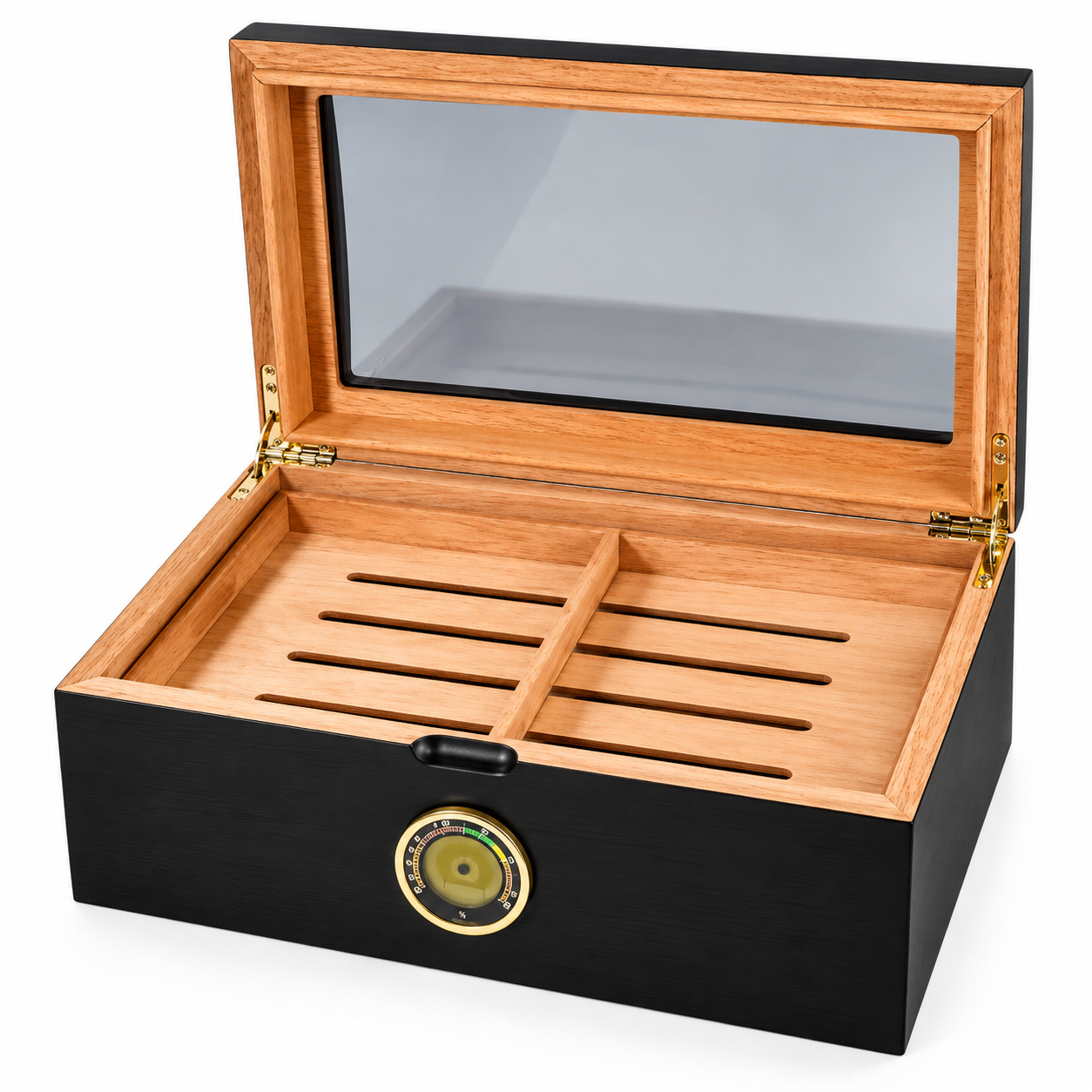
There are several common ways to maintain humidity inside a humidor.
- Humidification pouches: Ready-to-use pouches such as the Lotus Humidification Pouch release moisture steadily and never need filling.
- Foam or crystal humidifiers: Traditional devices used with distilled water or a humidification solution.
- Electronic humidifiers: Often useful for larger humidors and cabinet-style storage.
Explore humidification devices at Mike’s Cigars to find an option suited to your setup.
Use Distilled Water When Required
Tap water contains minerals that may leave deposits inside certain humidification devices. When your humidifier requires water, distilled water is generally the better choice.
Always follow the manufacturer’s instructions. Some devices require a specific solution, while sealed two-way humidity packs should not be filled with water.
Keep Your Humidor Reasonably Full
Cigars and cedar help buffer changes in moisture. A nearly empty humidor may experience more noticeable humidity fluctuations than one containing a reasonable collection.
If you’re building your collection, cigar samplers offer a way to explore different blends without committing to a full box.
Choose a Stable Storage Location
Avoid moving your humidor between rooms with significantly different temperatures. Choose a cool, consistent location away from sunlight, heating vents, and other heat sources.
Check Your Humidity Weekly
You don’t need to open your humidor every hour to check RH. Opening the lid allows humidified air to escape, causing a temporary drop in the reading.
Once your humidor is stable, checking approximately once a week is usually sufficient. Monitor more frequently when setting up a new humidor or troubleshooting a problem.
Mike’s Tip: Don’t chase every small change in humidity. Give your humidor time to recover after opening it before making adjustments.
What If Your Humidor Still Won’t Hold Humidity?
If you’ve seasoned the wood, calibrated your hygrometer, and selected an appropriately sized humidification device, but RH continues to fall, the problem may be the humidor’s seal.
A simple paper test can help identify a weak seal. Close the lid gently on a dollar bill or thin strip of paper, leaving part of it outside. Pull slowly. You should feel some resistance. Repeat the test around different parts of the lid. While not a precise measurement, it may help reveal areas where the seal is loose.
Other possible causes include:
- A warped lid.
- Damaged or poorly fitted seals.
- Insufficient humidification capacity.
- Frequent temperature changes.
- An inaccurate hygrometer.
For more troubleshooting advice, read our guide on what to do when your humidor won’t keep its humidity.
Humidor Humidity: Frequently Asked Questions
Is 70% RH too high for cigars?
Not necessarily. The traditional 70/70 rule remains a useful reference, but some cigars may smoke better at slightly lower humidity.
Is 65% RH good for cigars?
Yes. Many cigar enthusiasts prefer approximately 65% RH because it can help produce a firmer cigar and a more consistent burn.
What happens if my humidor reaches 80% RH?
A brief high reading isn’t automatically a disaster, but prolonged humidity around 80% can cause cigars to become overly moist and increase mold concerns. Verify the reading and correct conditions gradually.
How long does it take a humidor to stabilize?
It depends on the humidor’s size, construction, seal, and humidification method. A newly seasoned wooden humidor may require several days or longer to establish stable conditions.
Can you restore cigars that have dried out?
Mildly dry cigars can sometimes be gradually reconditioned over days or weeks. However, severely dried tobacco may not recover all its original flavor and smoking qualities.
How often should I check my humidor humidity?
Once your humidor is stable, checking about once a week is generally sufficient. Check more frequently when setting up a new humidor or diagnosing a humidity problem.
The Bottom Line: Consistency Is Everything
The best humidity level for your humidor isn’t necessarily a perfect 70%. For most cigar collections, 65–69% RH is a practical starting point, with a cool and consistent storage temperature.
Calibrate your hygrometer, season new wooden humidors, choose an appropriately sized humidification system, and avoid unnecessary temperature fluctuations. Most importantly, pay attention to how your cigars feel and smoke.
If you’re setting up cigar storage for the first time, our complete guide to storing cigars properly at home covers the rest of the process.
Keep Your Cigars Fresh and Ready to Enjoy
A reliable humidor, an accurate hygrometer, and the right humidification system make cigar storage much easier.
Explore humidors, cigar accessories, and premium cigars at Mike’s Cigars.