
How to Store Cigars Properly at Home: The Complete Guide
Knowing how to store cigars at home comes down to three things: humidity, temperature, and consistency. Premium cigars should generally be kept in a humidor or another humidity-controlled container at approximately 65–70% relative humidity and around 65–70°F.
Cigars are made from natural tobacco that reacts to the air around it. If they become too dry, wrappers can turn brittle and cigars may burn too quickly. If they absorb too much moisture, they can swell, become difficult to light, develop a tight draw, or burn unevenly.
This guide explains how to store cigars properly at home, including ideal cigar humidity and temperature, where to place a humidor, how to season it, how to store cigars without a humidor, and how to recognize common storage problems.
Keep cigars in a properly maintained humidor or sealed humidity-controlled container at roughly 65–70% RH and 65–70°F. Place the storage container in a cool, dark area away from sunlight, heat sources, air-conditioning vents, kitchens, bathrooms, garages, and attics.
|
Cigar Storage 101
Protect the Cigars You Plan to Enjoy
|
 |
|
65–70%
Relative Humidity
|
65–70°F
Temperature
|
Stable
Cool • Dark • Controlled
|
Why Proper Cigar Storage Matters
Cigars are hygroscopic, which means the tobacco absorbs and releases moisture depending on the surrounding environment. This is why simply leaving premium cigars in a drawer or on a shelf for long periods can cause problems.
When cigars lose too much moisture, wrappers can become brittle and may crack during cutting or smoking. Dry cigars also tend to burn faster and hotter, which can negatively affect aroma and flavor.
Too much humidity creates the opposite problem. Overly moist tobacco can swell, producing a tighter draw and an uneven burn. Cigars may also become difficult to light or keep lit, and prolonged excessive moisture can increase the risk of mold.
What Is the Best Humidity for Cigars?
A practical range for most home cigar storage is approximately 65–70% relative humidity. The traditional “70/70 rule” — 70% RH at 70°F — remains a useful reference, but it is not a requirement for every cigar or every smoker.
Many cigar smokers prefer the upper 60s, often around 67–69% RH. Slightly lower humidity can help some cigars draw more freely and burn more consistently while still keeping the tobacco supple.
Cigar size and construction can also make a difference. Thick, densely filled cigars may perform well toward the lower end of the range, while delicate wrappers may benefit from slightly more moisture.
If you are setting up a humidor for the first time, choose a reasonable target within the recommended range and give the humidor time to stabilize before making additional adjustments.
What Temperature Should Cigars Be Stored At?
For home storage, aim for a temperature of approximately 65–70°F. A cool, climate-controlled room makes it much easier for the humidor to maintain consistent conditions.
Excessive heat is particularly important to avoid because warmer conditions can encourage tobacco beetle activity. Warning signs of beetles include tiny round holes in cigar wrappers, loose tobacco dust, or visible insects.
Temperature can also influence relative humidity readings, which is another reason to avoid placing a humidor in a room with major day-to-night temperature swings.
Where Should You Keep a Humidor in Your House?
Choose a shaded interior location where both temperature and humidity remain relatively steady. Even a quality humidor will have to work harder if it is constantly exposed to heat, sunlight, or changing room conditions.
|
✓ Good Places
Home office
Bedroom closet Interior cabinet Climate-controlled room Interior wall Away from windows |
✕ Places to Avoid
Kitchen
Bathroom Garage Attic Sunny windowsill Near heating or A/C vents |
How to Choose the Right Humidor
For anyone who regularly keeps premium cigars at home, a dedicated humidor is one of the easiest storage solutions to manage.
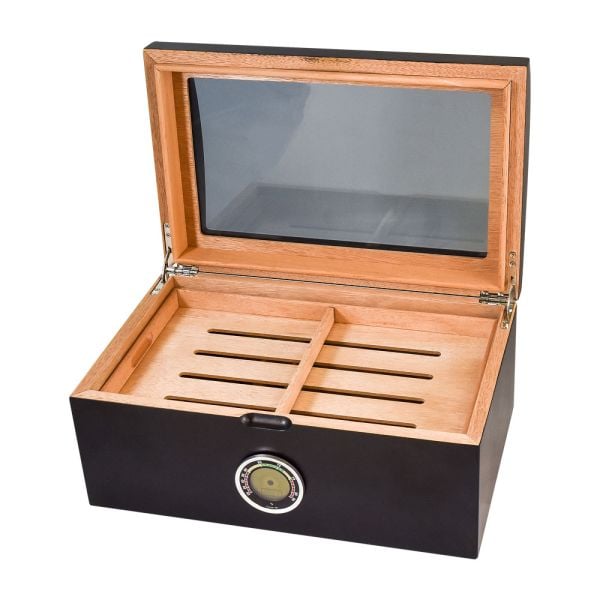
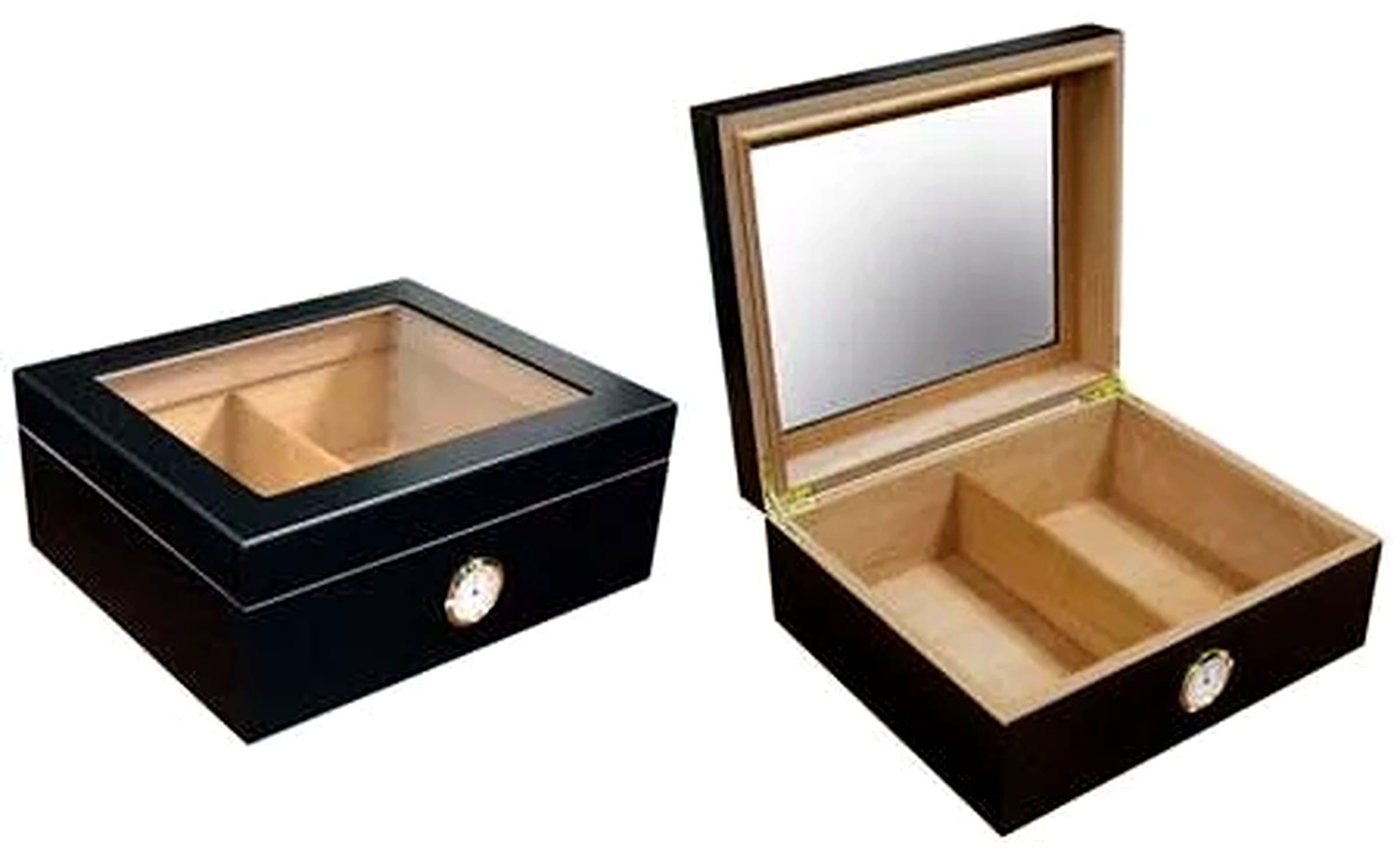
Traditional wooden humidors are commonly lined with Spanish cedar and paired with a humidification system and hygrometer. When choosing one, pay attention to its seal, usable interior space, construction, and how easy it will be to monitor.
It is also smart to choose slightly more capacity than you think you need. A “50-count” humidor may hold fewer than 50 cigars if you prefer larger ring gauges, and leaving some open space allows humidified air to circulate more effectively.
|
|
|
|
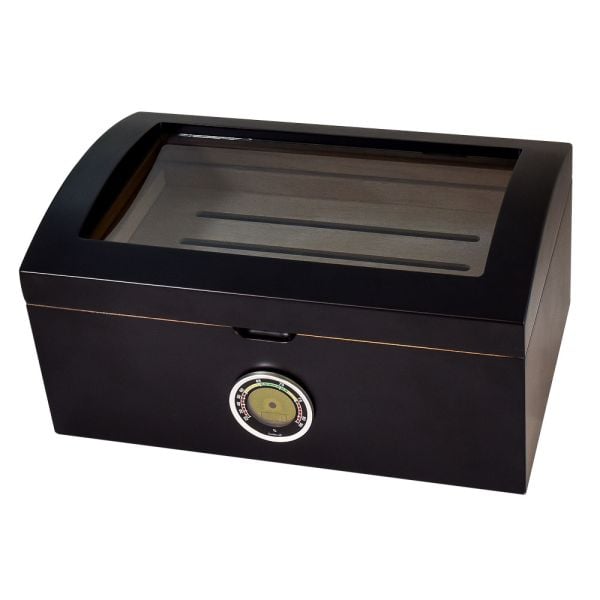
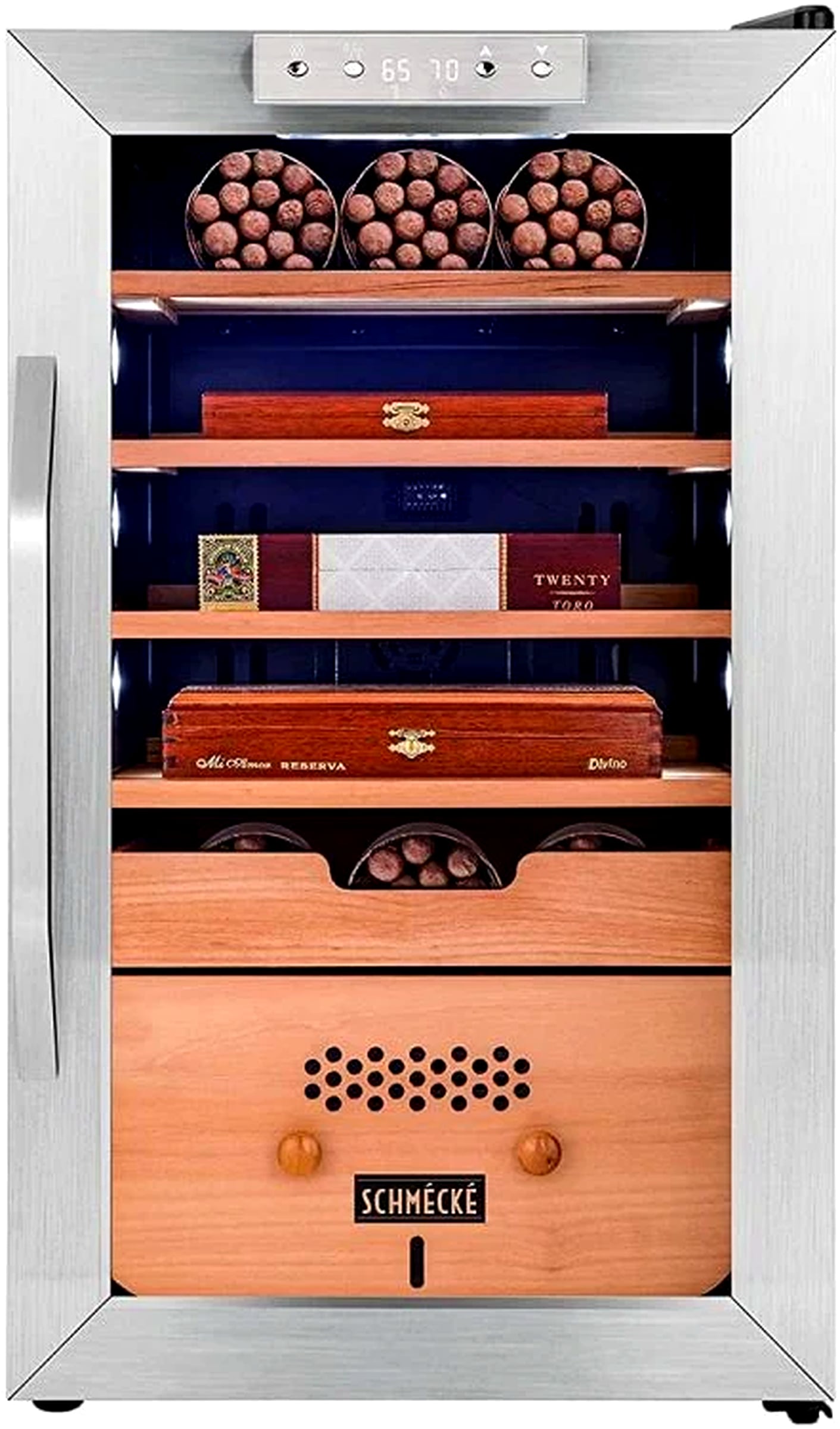
How to Season a New Humidor
A new wooden humidor should generally be seasoned before cigars are added. Dry interior wood can absorb moisture from both the humidification system and your cigars, causing the humidity level to fall.
|
1
|
Empty and inspect the humidor Make sure the interior is clean and free from unwanted odors. |
|
2
|
Season the interior gradually Use a dedicated seasoning product or follow the humidor manufacturer’s instructions. |
|
3
|
Set up humidity control Install the humidification system according to its directions. |
|
4
|
Check the hygrometer Make sure the instrument is giving dependable readings. |
|
5
|
Wait for stable conditions Add cigars after the humidor has settled close to your intended storage range. |
How to Calibrate a Hygrometer
A hygrometer tells you the relative humidity inside your humidor, so an inaccurate reading can lead to unnecessary adjustments.
Digital hygrometers are convenient and easy to read, but they should still be checked periodically. Commercial calibration kits provide a simple reference point.
A traditional alternative is the salt test, which uses damp table salt inside a sealed container to create an environment close to 75% relative humidity. Compare the hygrometer reading with the expected result and note any difference.
Go Beyond Humidor Humidity: Check the Cigar Itself
A hygrometer tells you the relative humidity of the air inside your humidor, but it does not directly measure an individual cigar. If you want another point of reference when checking how a cigar is responding to its storage conditions, a cigar moisture meter can be useful.
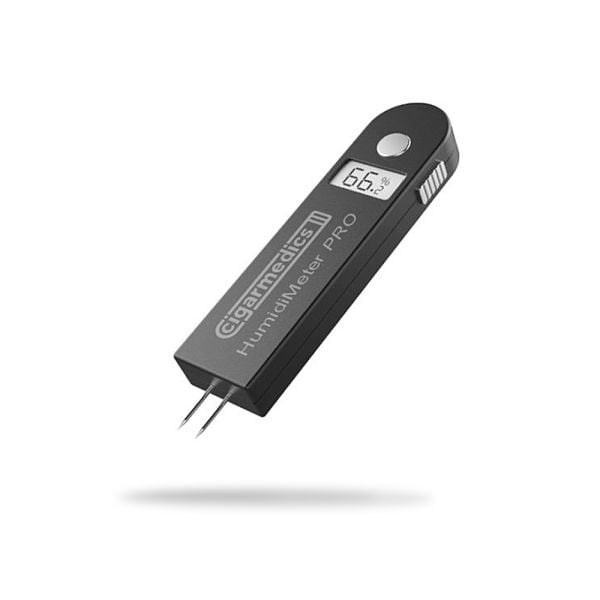 |
Cigar Moisture Monitoring Cigar Medics HumidiMeter PRO Check an Individual Cigar Unlike a hygrometer, which monitors the environment inside your humidor, the Cigar Medics HumidiMeter PRO is designed to check an individual cigar. Its retractable probes are inserted into the end of the cigar, and the digital display provides a moisture reading. Used alongside regular humidor monitoring, it can provide another useful point of reference when evaluating how your cigars are responding to their storage conditions. |
Hygrometer vs. HumidiMeter: A hygrometer measures the relative humidity of the air inside your humidor. The HumidiMeter PRO is designed to check an individual cigar. They measure different things, so the HumidiMeter is best viewed as an additional tool rather than a replacement for monitoring your humidor.
How to Store Cigars Without a Humidor
If you have only a few cigars or have not purchased a humidor yet, you can use a clean, airtight, food-safe plastic container as a temporary or small-scale cigar storage solution.
This type of setup is often called a tupperdor. Add a suitable cigar humidity-control product and, ideally, a digital hygrometer so you can monitor the environment.
Place the container in a cool, dark area just as you would a traditional humidor.
How Can You Tell if Cigars Are Too Dry or Too Humid?
Your cigars can often tell you when storage conditions are significantly off. Pay attention to how the wrapper feels, how easily the cigar draws, and how it burns.
|
Signs a Cigar Is Too Dry
Brittle wrapper
Cracking or flaking Burns unusually fast Hotter smoke Reduced aroma Sharp or flat flavor |
Signs a Cigar Is Too Humid
Soft or swollen tobacco
Tight draw Uneven burn Difficulty staying lit Muted flavor Greater risk of mold |
If cigars become dry, restore them gradually rather than exposing them immediately to very high humidity. Rapid moisture changes can cause the wrapper to expand unevenly and may increase the risk of splitting.
6 Common Cigar Storage Mistakes to Avoid
| 1. | Storing cigars in the refrigerator. Household refrigerators are designed for food, not premium tobacco, and are generally too cold and dry for normal cigar storage. |
| 2. | Putting a humidor in direct sunlight. Sunlight can heat the humidor and create unnecessary temperature swings. |
| 3. | Overfilling the humidor. Packing cigars tightly into every corner can reduce airflow and create uneven humidity zones. |
| 4. | Reacting to every tiny hygrometer change. Brief fluctuations can happen when the humidor is opened or when the room temperature changes. |
| 5. | Mixing infused cigars with traditional cigars. Strong added aromas can transfer to other cigars and even to the interior of the humidor. |
| 6. | Adding cigars before a new humidor stabilizes. Give the seasoning process time to work before filling the humidor. |
Should Cigars Stay in Cellophane or Their Original Box?
Cellophane can remain on cigars inside a humidor. It provides additional protection against wrapper damage while still allowing gradual moisture exchange.
You can also store full cigar boxes inside a larger humidor or cabinet. The important distinction is that the original cigar box itself is not usually a complete humidity-control system.
Traditional premium cigars from different brands are commonly stored together, but strongly flavored or infused cigars are better separated to minimize aroma transfer.
How Often Should You Check Your Humidor?
Once a small home humidor is stable, a quick inspection about once a week is generally enough. Check the humidity, temperature, humidification system, and overall condition of your cigars.
Avoid opening the humidor several times a day simply to check the reading. Every time it is opened, the interior environment temporarily changes.
|
HUMIDITY
Check RH
|
TEMP
Check temperature
|
CIGARS
Inspect wrappers
|
SYSTEM
Check humidifier
|
Watch for Mold and Tobacco Beetles
Excessive humidity can contribute to mold growth. Fuzzy or spreading white, green, blue, or black patches should be taken seriously. Isolate suspicious cigars, inspect the rest of the collection, and check the humidor’s humidity level.
Tiny round holes in cigar wrappers, loose tobacco dust, or visible insects can indicate tobacco beetles. If you notice these signs, separate affected cigars from the rest of the collection and consult an experienced tobacconist about the safest treatment.
Keeping the storage environment cool and regularly inspecting the collection makes both types of problems easier to spot early.
How Long Can Cigars Stay in a Humidor?
Premium cigars can remain in a properly maintained humidor for extended periods when humidity and temperature remain stable.
Some cigar enthusiasts intentionally age cigars for months or years. Stable storage allows the tobacco to rest gradually, while repeated swings between dry and humid conditions can interfere with the aging process and may stress the wrapper.
How Should You Store Cigars While Traveling?
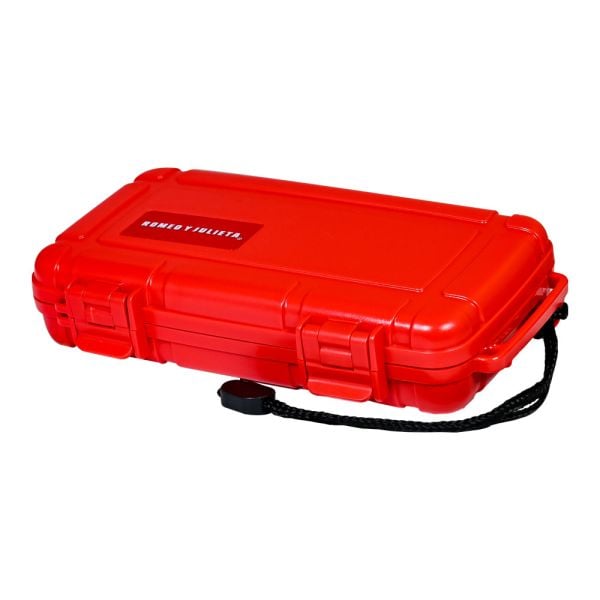
|
Travel Storage
Romeo y Julieta 5-Cigar Travel Humidor
Small Capacity • Protective Storage
Travel humidors protect a smaller number of cigars while you are away from home without replacing your normal long-term humidor. |
What humidity should cigars be stored at?
Approximately 65–70% relative humidity is a practical home storage range. Many cigar smokers prefer the upper 60s.
Is 70% humidity too high for cigars?
Not necessarily. Seventy percent is a traditional reference point, although some cigars may draw and burn better at slightly lower humidity.
Can cigars be stored in Tupperware?
Yes. A clean airtight food-safe container paired with appropriate cigar humidity control can work well for a small or temporary storage setup.
Can cigars be stored in the refrigerator?
A normal household refrigerator is not recommended for everyday cigar storage because it is designed for food and typically operates under much colder and drier conditions.
Should cellophane stay on cigars in a humidor?
It can. Cellophane helps protect the wrapper while still allowing gradual moisture exchange.
Can different cigar brands be stored together?
Yes. Traditional premium cigars from different brands are commonly stored together. Infused and strongly flavored cigars should generally be kept separately.
The Bottom Line on Storing Cigars at Home
Proper cigar storage does not require constant adjustment or complicated equipment. Choose a storage solution that fits your collection, maintain moderate humidity and temperature, keep it away from heat and sunlight, and monitor conditions regularly.
Whether you own five cigars or several hundred, the same principle applies: stable storage protects the condition, construction, aroma, and smoking experience of your cigars.
Choose the right humidor for your collection and give your cigars the stable environment they need at home.