Cigar Sizes Explained: Ring Gauge, Shapes & How to Choose the Right Cigar
Walk into a well-stocked humidor and the choices can feel endless. Some cigars are short and stout. Others are long and slender. Then you’ll see names like Robusto, Toro, Churchill, Corona, Gordo—and numbers like 5 × 50 or 6 × 60.
What do those numbers actually mean? And more importantly, does cigar size change the way a cigar tastes?
Absolutely. A cigar’s dimensions can influence its burn, temperature, smoking time, draw, and even the way you experience the blend. That’s why understanding cigar sizes isn’t just cigar trivia—it can help you choose a cigar you’ll enjoy more.
What Is Cigar Ring Gauge?
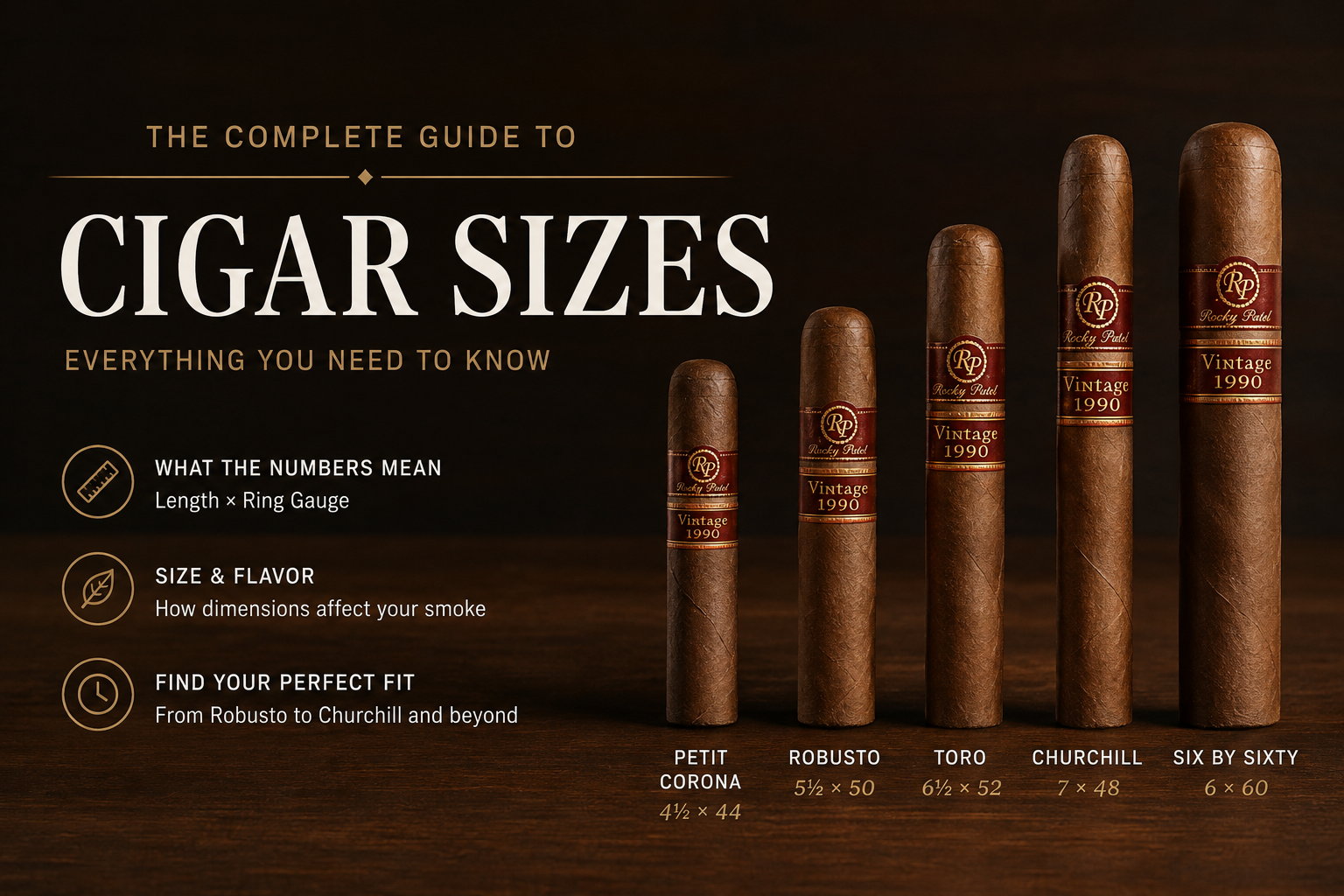
Let’s start with the number that confuses almost everyone at first. If you see a cigar listed as 5 × 50, the 5 means the cigar is five inches long. The 50 is its ring gauge—or diameter.
Ring gauge is measured in 64ths of an inch. So a 50-ring cigar measures 50/64 of an inch across. A 64-ring cigar would measure a full inch in diameter.
As the ring gauge gets larger, the cigar gets thicker.
Ring gauge isn’t only about how large a cigar feels in your hand. It can also influence the smoking experience because a thicker cigar gives the blender more room for filler tobacco, while a thinner cigar gives the wrapper proportionally more influence.
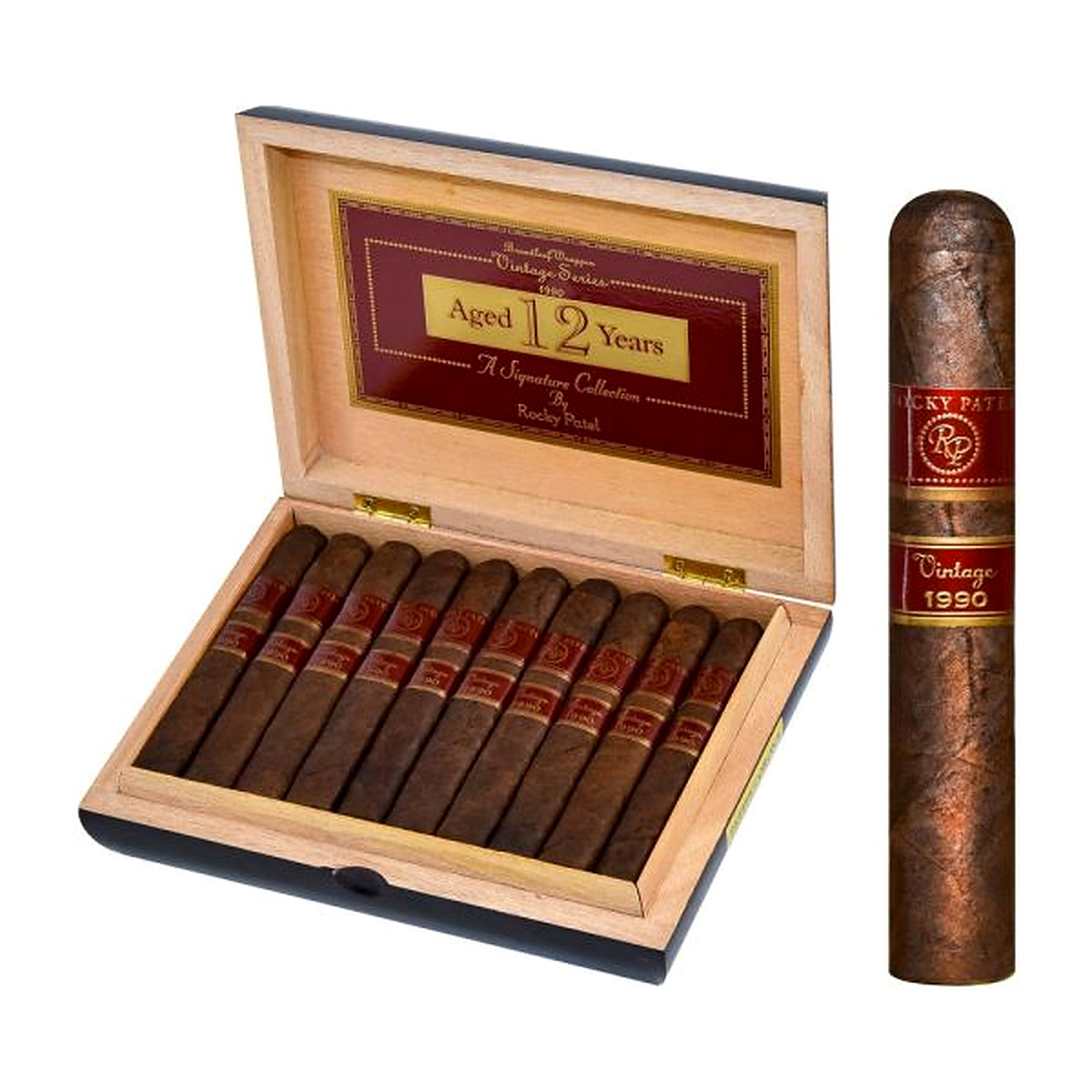
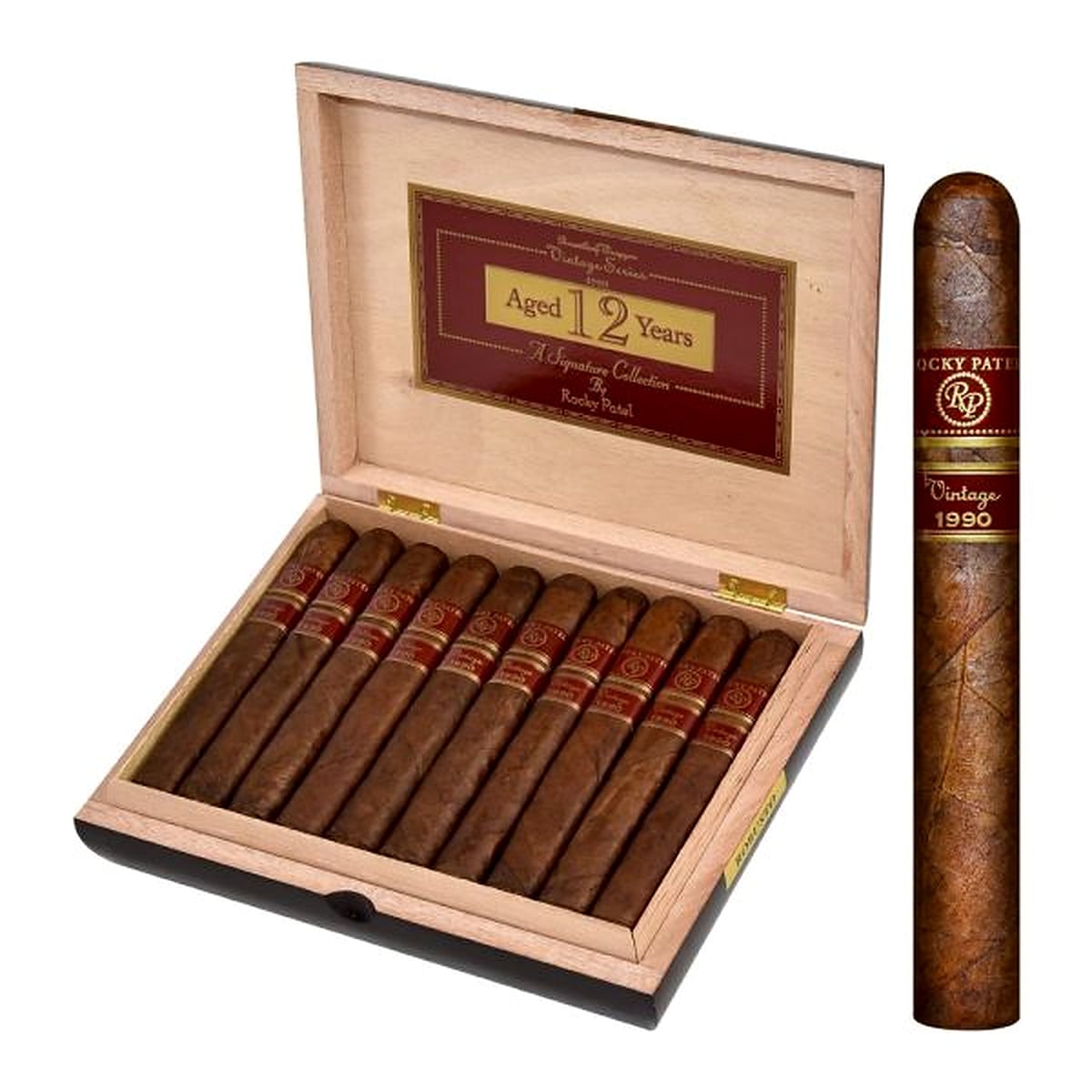
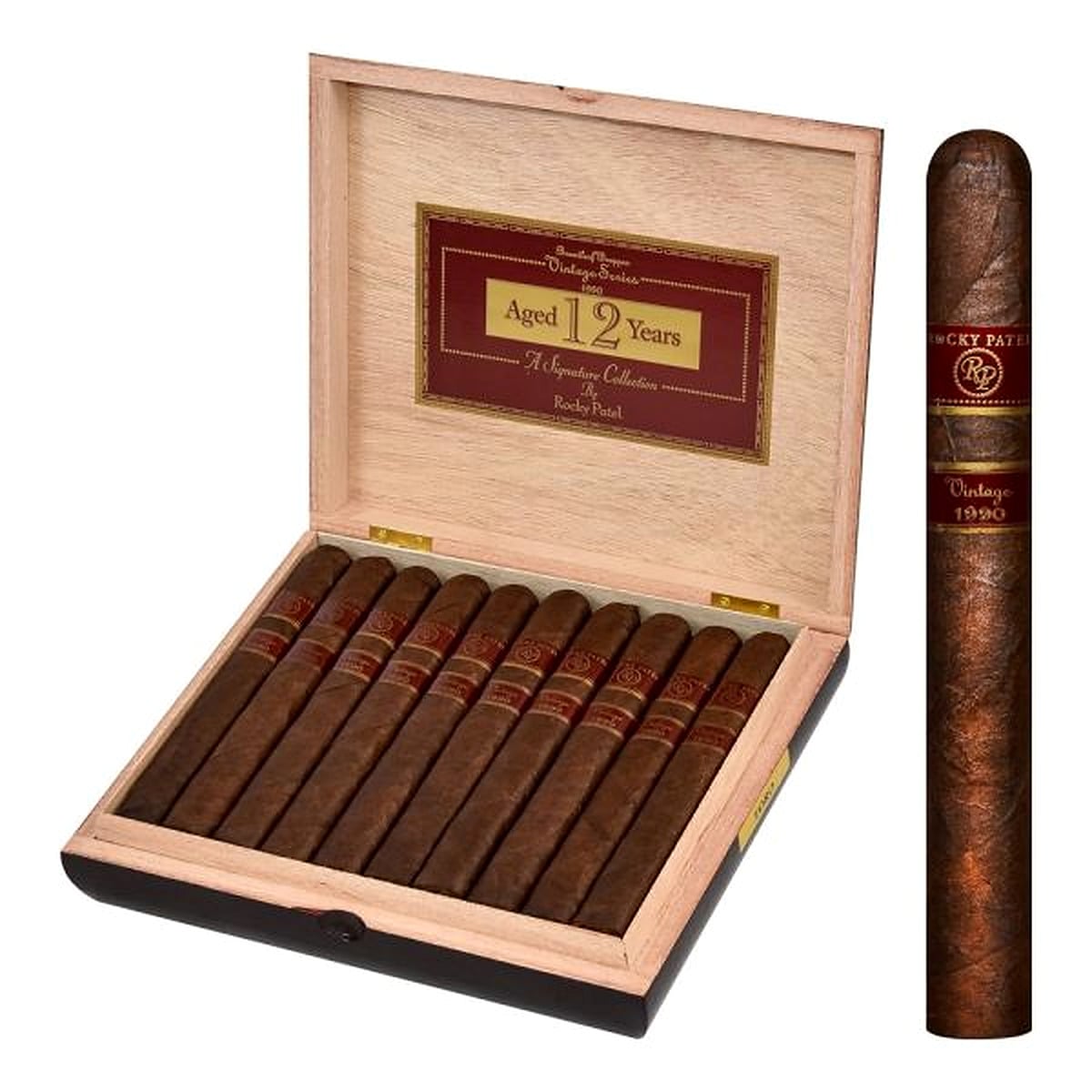
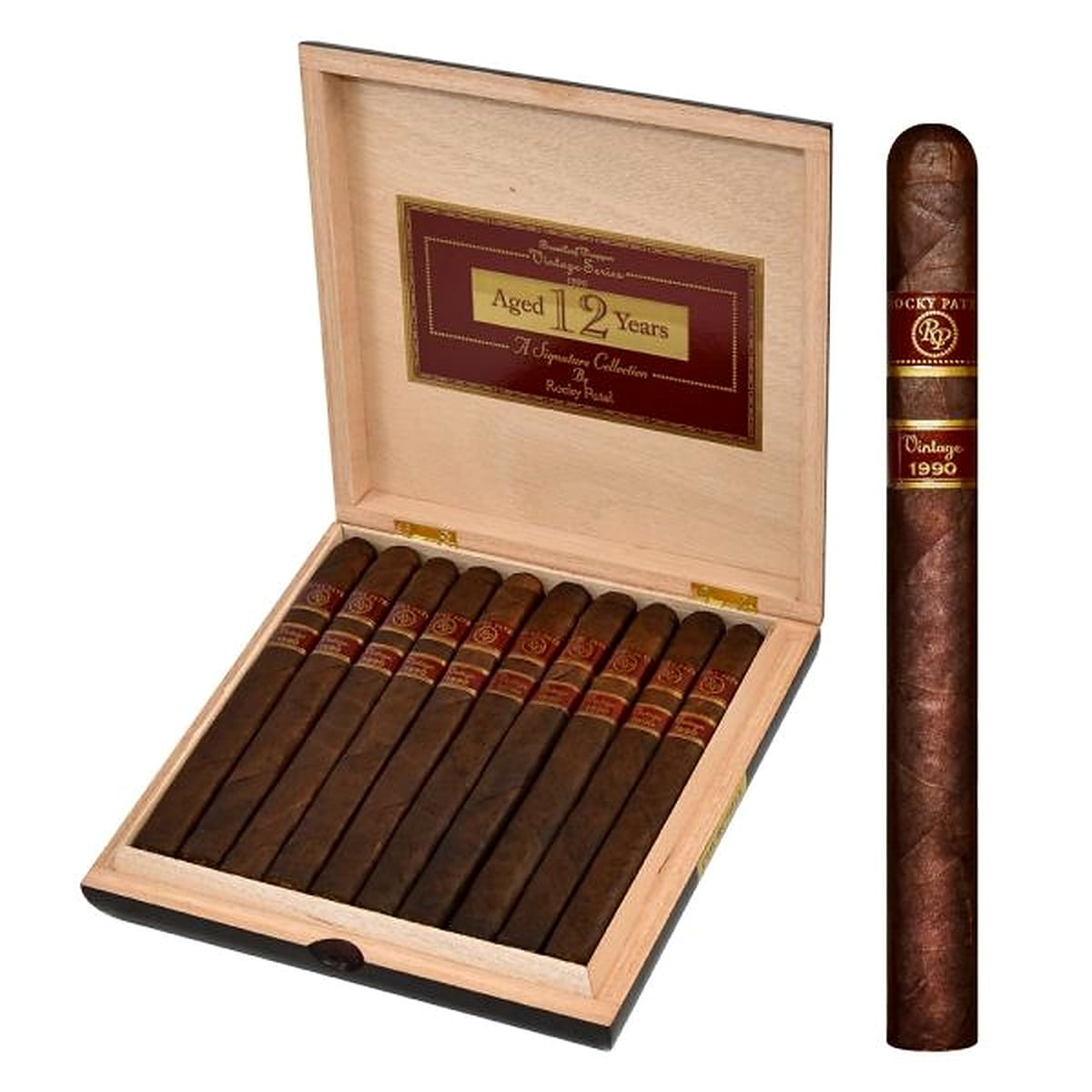
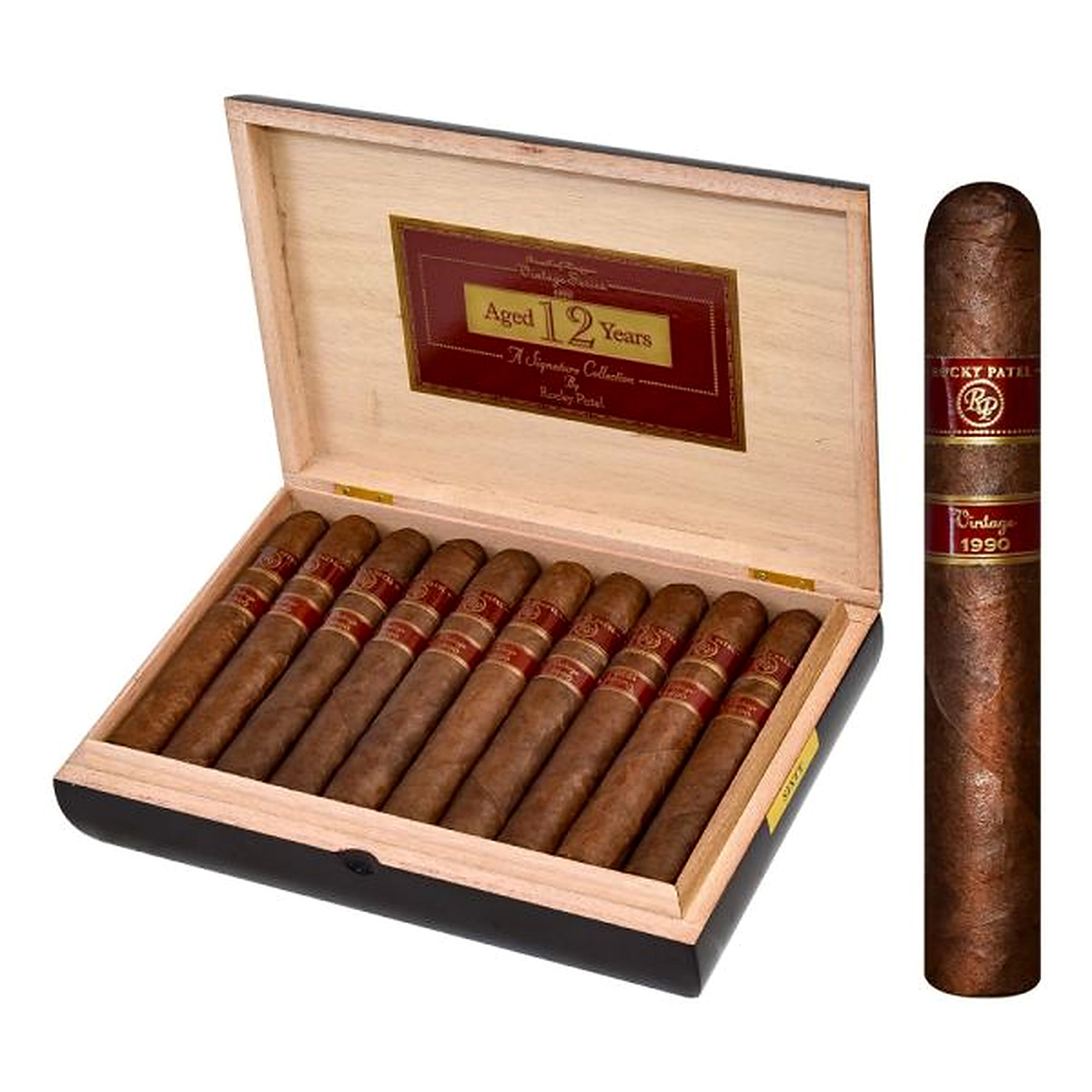
Rocky Patel Vintage 1990 makes it easy to see how dramatically cigar dimensions can change while the blend stays the same.
Does a Bigger Cigar Mean a Stronger Cigar?
No. A larger cigar may contain more tobacco, but that doesn’t automatically make it stronger. Strength comes primarily from the tobaccos used in the blend.
What size can change is the proportion of wrapper, binder, and filler. A large ring gauge gives the blender more room for filler leaves, while a thinner cigar places proportionally more emphasis on the wrapper.
The Cigar Sizes You’ll See Most Often
Robusto vs. Toro vs. Churchill: What’s the Real Difference?
Imagine three cigars from the same blend.
A Robusto gives you a shorter smoking session. A Toro adds more length and often a little more ring gauge. A Churchill stretches the experience even further.
The obvious difference is smoking time. But there’s another reason to try multiple sizes from the same cigar line: they may not taste exactly the same.
Changing the dimensions changes the ratio of wrapper, binder, and filler tobacco. That can alter which parts of the blend stand out most.
Parejo vs. Figurado: Shape Matters Too
Size is only half the story. Most premium cigars fall into two broad shape families: Parejos and Figurados.
Parejos
These are the classic straight-sided cigars most people picture when they think of a premium cigar. Robustos, Toros, Coronas, and Churchills are usually Parejos.
Figurados
Figurados include shaped cigars such as Torpedoes, Pyramids, and Perfectos. They may taper at the head, foot, or both.
Those shapes aren’t simply decorative. Changing the cigar’s shape can affect airflow and the concentration of smoke reaching your palate.
Does Cigar Size Affect Flavor?
It can. Think about the three major components of a premium cigar:
Change the cigar’s dimensions and you change the proportions of those components. A thinner cigar gives the wrapper a greater proportional influence, while a thicker cigar gives the blender more room to work with filler tobacco.
That’s why a Corona and a Gordo made from the same blend can offer noticeably different smoking experiences.
Does Cigar Size Affect Smoking Time?
Yes. Both length and ring gauge can affect how long a cigar takes to smoke. A Robusto generally offers a shorter session than a Churchill, while a thick Gordo or Six by Sixty can burn slowly because of its large diameter.
The important thing isn’t memorizing an exact number of minutes—it’s matching the cigar to the amount of time you actually have.
What Cigar Size Is Best for Beginners?
For many newer cigar smokers, a Robusto is one of the easiest places to start.
It offers enough smoking time to experience how a premium blend develops without requiring the commitment of a long Churchill or large Gordo.
Once you become more familiar with your palate, start experimenting with the same blend in different sizes. You may discover that the size you expected to like isn’t the one you end up preferring.
How to Choose the Right Cigar Size
What does 5 × 50 mean on a cigar?
The cigar is 5 inches long with a 50 ring gauge.
What does 6 × 60 mean?
A 6 × 60 cigar is six inches long with a 60 ring gauge.
Is a 60-ring cigar stronger than a 50-ring cigar?
Not automatically. Strength depends mainly on the tobacco blend.
What is the difference between a Robusto and a Toro?
A Toro is usually longer and may have a slightly larger ring gauge.
What is the difference between a Toro and a Churchill?
A Churchill is generally longer and traditionally somewhat slimmer than many Toros.
Does cigar size affect flavor?
It can. Different dimensions change the proportions of wrapper, binder, and filler.
Do bigger cigars last longer?
Usually, but smoking pace, construction, length, and ring gauge all affect burn time.
One Blend. Different Sizes. Different Experience.
Here’s the best advice we can give: experiment.
Don’t assume that because you loved a Toro you’ll automatically prefer the Gordo.
Try another vitola. Pay attention to the draw, temperature, wrapper influence, how quickly the cigar develops, and which flavors stand out through each part of the smoke.
Eventually, you’ll notice something every experienced cigar smoker discovers:
You don’t just develop favorite cigars. You develop favorite sizes, too.
There is no single “best” cigar size. The right choice depends on how much time you have, the feel you prefer, and how you want to experience the blend.
Explore different sizes and hundreds of
premium cigars
at
Mike’s Cigars.